You do not need a perfect morning routine to read more books. You need a system that survives commuting, meetings, school runs, laundry, and the odd evening when your brain feels like soup.
That sounds less romantic than a “reading habit”. Fine. It also works better. Most people who say they want to read more are not short on interest; they are short on protected attention, and books are competing with everything from notifications to streaming services to work that follows them home.
Why it matters now
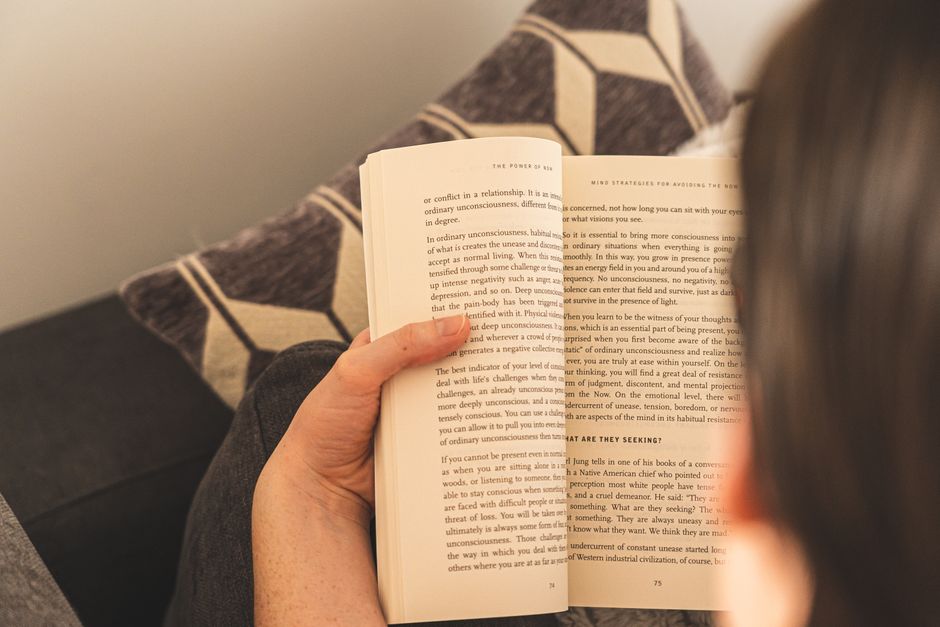
The pressure is real, and the attention economy is louder than ever. In its Reading in America reporting, Pew Research Center has repeatedly found that adults’ reading lives are shaped by time, education, and format choice, while audiobook use has grown as people try to fit reading into commutes, chores, and exercise. That matters because the question is no longer “do you like books?” It is “what format makes reading possible this week?”
There is also a practical side. Many jobs now ask people to process more information, not less. If you read only when you feel inspired, you will keep losing to whatever is most urgent. If you build reading into small. Repeatable slots, books stop being a weekend fantasy and start acting like a quiet, reliable part of your working life.
The core idea

The basic move is simple: stop treating reading as a single long event. Treat it as a set of small entry points. A chapter at lunch. Ten pages before bed. An audiobook while folding clothes. A paperback in the bag for the train. These are not lesser forms of reading. They are the actual form most busy adults can sustain.
The mistake most people make is chasing ideal conditions. They wait for a free afternoon, a clean desk, a calm mind, and zero interruptions. That day rarely arrives. Better to design for interruption from the start. A book you can pick up in three minutes is better than a book you only read on holiday.
A good reading system usually has a few parts:
- A low-friction format mix. Use print, ebook, and audio depending on the situation. One format will not fit every hour of the day.
- A visible next step. Keep the current book open on the nightstand, in your bag, or on your phone home screen. If you have to search for it, you will not read it.
- A small daily target. Five pages. Ten pages. One chapter. The number matters less than the consistency.
- A default reading trigger. Read after coffee, after lunch, before sleep, or during the commute. Tie it to something you already do.
- A short list of books. Too many options create decision fatigue. A tight queue keeps momentum.
- A low shame rule. If a book is not working, stop. Finishing every book is not the goal.
Make reading easier than scrolling, or scrolling will win.
A useful way to think about books is as “leftover attention” work. You are not waiting to feel scholarly. You are using the spare slices of a day that already exists. That means the best reading plan is often boring on paper and excellent in practice.
It also helps to separate two jobs books can do. One is depth: learning, thinking, making sense of a topic. The other is restoration: slowing your pace and giving your brain a different rhythm. When people try to turn every book into a productivity project, reading becomes another obligation. That is a fast route to quitting.
If you want to read more, reduce the cost of starting. Make books available where you already waste time. Put one on the kitchen counter. Download the ebook before the trip. Keep an audiobook queued up for the next walk. Reading grows when the first step is tiny.
What this looks like in practice

A mid-size SaaS team member wants to keep up with business and strategy books, but weekdays are packed. The practical fix is not to promise a chapter every night. Worth thinking about, no? It is to use a short commute for audio, keep one print book for weekends, and cap the active queue at two books so there is always a clear next read.
A solo freelancer spends much of the day moving between client work, admin, and errands. A book only happens if it is attached to an existing routine. In that case, reading during lunch, after sending invoices, or before bed works better than trying to invent a formal “reading hour” that never survives the calendar.
A parent with a noisy evening life rarely gets uninterrupted time. That does not mean reading is out of reach. It usually means switching formats: an ebook on a phone during school pickup, an audiobook while tidying, and a physical book on the bedside table for the rare quiet stretch. Make sense?
Common mistakes to avoid

-
Waiting for a large block of free time. Most busy readers do not fail because they dislike books. They fail because they keep postponing reading until the calendar looks generous. It almost never does. Smaller, repeatable sessions beat heroic plans.
-
Choosing books that are too hard for the moment. Dense books have their place, but if every page feels like work after a long day, you will drift away. Match the book to your energy level, not your ego. Save the heavier stuff for weekends or mornings.
-
Using reading goals that are too vague. “Read more” sounds nice and does nothing. A target like “ten pages after lunch” or “20 minutes of audio during chores” creates an actual habit cue. Without a cue, the plan gets swallowed by the day.
-
Keeping too many books open at once. A stack of five unfinished titles can look ambitious and feel messy. It often creates guilt, and guilt kills momentum. Fewer active books make it easier to remember what you were doing and why.
-
Confusing ownership with progress. Buying books, saving lists, and highlighting excerpts can feel productive. They are not the same as reading. If your shelf is growing faster than your page count, the system has drifted off course.
-
Treating all reading as equal. Honestly, a philosophy book, a thriller, and an audiobook during a walk serve different purposes. If you expect every session to be deep and uninterrupted, you will reject perfectly good reading opportunities. Use the right format for the right moment.
A practical checklist

-
Pick one book for this week. Not five. One. Make the choice obvious so you can start, instead of spending half your reading time deciding.
-
Attach reading to one fixed habit. Choose a daily trigger you already do, such as tea, lunch, commuting, or brushing your teeth before bed. Then read immediately after that habit.
-
Set a tiny minimum. Try five pages or ten minutes. If you keep going, great. If not, you still kept the chain alive.
-
Add one audio option. Download a book you can hear while walking, cleaning, or cooking. This is often the easiest way to recover reading time from a busy week.
-
Put books where you wait. Keep one in the bathroom, one by the bed, one in your bag, or one on your desk. Waiting time is reading time if the book is already there.
-
Stop forcing a bad book. If you have stalled for weeks, quit it. Skipping a book you dislike is not failure. It is maintenance.
-
Track pages, not perfection. A simple note in your phone or a paper bookmark with dates can show progress without turning reading into a spreadsheet contest.
-
Protect one “easy reading” slot. Leave space for fiction, essays, or anything that helps you want to read again tomorrow. Not every session should be hard work.
When NOT to do this
No kidding, There are times when “read more books” is the wrong goal. If you are in a period of acute stress, chronic sleep loss, or caring for someone else full-time, forcing a reading routine can become one more demand. In that phase, a chapter here and there may be enough. More is not always better.
It is also worth saying that not every benefit has to come from books. Sometimes a podcast, a long article, a class, or a conversation is the better fit for your actual need. Books are valuable, but they are not morally superior to every other form of learning. The point is to keep your mind fed in a way you can sustain.
Where to learn more
- https://www.pewresearch.org/topic/internet-technology/books/ - Pew Research Center research on reading, books, and media habits
- https://www.nia.nih.gov/health/read-great-way-stay-sharp - U.S. National Institute on Aging guidance on reading and brain health
- https://en.wikipedia.org/wiki/Reading - background on reading as a skill and activity
Btw, Books become easier to read when you stop treating them like a reward for having extra time and start treating them like a normal part of a busy life. That shift is small, but it changes everything. What would your reading life look like if it only had to fit the time you already have?