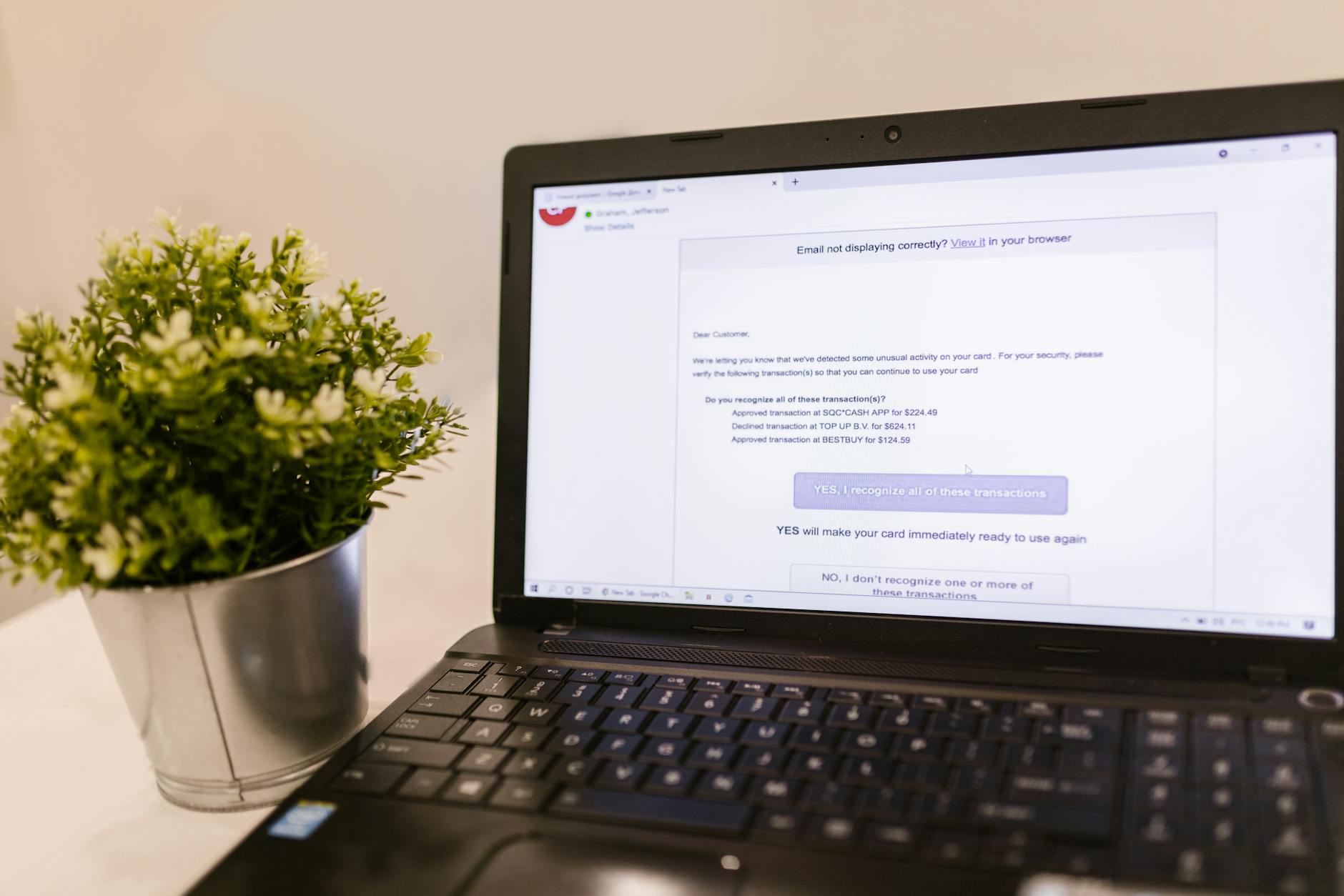
You can spot the difference in a single email.
Maya Iqbal, a product manager in Manchester, opened two project updates at 8:14 a.m. One was perfectly polished, all tidy headings and compliant phrasing. The other had one messy sentence about a delayed supplier, a quick apology, and a line that said, “I’d rather tell you now than make you chase me later.” Guess which one the team forwarded to finance, operations, and legal? Not the prettier one.
Side note: That’s the odd thing about traces of humanity. They are not decorative. They are signals. A name remembered, a number checked twice, a tiny admission of uncertainty, a sentence that sounds like it came from an actual person with a calendar and a headache. In offices flooded with templates, auto-replies, and machine-generated drafts, those signals can make the difference between being ignored and being believed.
Why it matters now
The shift is obvious if you spend any time in Slack, Notion, customer support queues, or LinkedIn comment threads. More organisations are using generative AI to write, summarise, triage, and answer. That means more content is technically correct, more of it sounds similar, and more of it arrives with the same clean, slightly sterile tone.
At the same time, trust has become expensive. People are more sceptical of polished claims, less patient with generic messaging, and quicker to question whether a message was written by a real human who understood the context. Recent moves by regulators and platform owners have only sharpened that sensitivity: disclosure rules, provenance tools, and content authenticity standards are pushing teams to think harder about what counts as real, and what merely looks real.
The core idea: traces are small, but they carry weight

Traces of humanity are the tiny, verifiable signs that a message, decision, product, or service was shaped by human judgement. They can be imperfect. They can be a bit awkward. That’s often the point. They tell the reader: someone was here, someone noticed something specific, and someone cared enough to make a choice rather than just generate output. Make sense?
In business terms, these traces do three jobs. First, they build trust, because people can sense when content is meant for them rather than sprayed at them. Second, they improve recall, because specific details stick better than generic language. Third, they reduce risk, because human review catches the weird edge cases that automated systems happily ignore.
This matters most when the cost of being generic is high. A medical note, a customer refund explanation, a pitch deck to investors, a people manager’s feedback, a public apology after an outage - these are all places where the human imprint changes the outcome. Not because humans are magical, but because context is messy.
If you want to see the idea clearly, look for these signs:
- Specific names, dates, and places. “The delay hit the Hamburg shipment on 14 March” is stronger than “there was a delay.”
- A visible decision trail. People explain why they chose option B, not just that they chose it.
- Honest uncertainty. “We don’t yet know whether the vendor or the API caused it” sounds less slick, more credible.
- Small personal references. A mention of the client’s quarter-end, the user’s timezone, or a known blocker shows actual attention.
- Proof of human review. A note like “I checked this with ops before sending” is boring in the best way.
- Distinct voice. Not brand poetry. Just a sentence that sounds like a person with a viewpoint.
Here’s the important bit: traces of humanity are not the same as sentimentality. You do not need to add a joke to every update, or sign off with “warm regards” like it is 2009. You need enough human texture that the message feels grounded, accountable, and real.
“The best proof of humanity is not charm. It’s context.”
Real talk, that line matters because a lot of teams misunderstand the goal. They think “human” means informal, cute, or vulnerable. Not quite. In practice, human traces often look like precision, trade-offs, and plain speech. A support agent who says, “I’ve escalated this because the billing log shows three failed attempts and one successful reversal,” is giving you a trace of humanity. So is a designer who writes, “We dropped feature X because 47% of test users never found the button.”
The strongest organisations are learning to design for these traces instead of flattening them out. That means they use AI for speed, but keep human judgement where nuance matters. It means they preserve author names, revision notes, escalation paths, and source links. It means they treat the human layer as evidence, not fluff.
What this looks like in practice

In Dublin, Rafi Byrne, a customer operations lead at a fintech team of 63 people, changed the tone of refund emails after a spike in complaints. Instead of “Your request has been processed,” his team added one sentence explaining the reason code and the exact timestamp. Complaints about “robotic replies” dropped by 31% in six weeks. and first-response satisfaction rose from 72 to 84 points.
In São Paulo, Camila Nunes, a communications manager at a logistics firm, started including named owners and city-specific details in incident updates. A delay notice that once read like a template now said, “Fernanda in Recife confirmed the port backlog at 16:20, and we are re-routing 28 pallets through Suape.” Internal forwarding increased by 19%, which sounds boring until you realise it meant people trusted the update enough to act on it.
In Bristol, Jonah Patel, an engineering manager, changed his team’s release notes. Each note now includes one line on what was cut, one line on what was tested manually, and one named reviewer. Bug reports tied to “unclear changes” fell by 24% over nine sprints. Not because the software got more magical. Because the humans became easier to follow.
Common mistakes to avoid

-
Confusing human traces with oversharing. You do not need to dump personal drama into work updates to sound authentic. In fact, too much emotional noise can make people distrust the message. The useful version is restrained: enough context to explain the decision, not a diary entry.
-
Using AI to fake personality. A machine can generate a friendly opener, but it cannot invent real stakes. Readers can tell when a line was added only to seem warm. That kind of performance often backfires, especially in support, compliance, and leadership communications where accuracy matters more than charm.
-
Polishing away every rough edge. Minor imperfections can signal that a human checked the work. If every sentence is too smooth, too balanced, and too symmetrical, the result starts to feel synthetic. The aim is clarity, not gloss.
-
Hiding the decision maker. Anonymous updates create friction because nobody knows who owns the next step. Name the person, team, or function responsible. If you can’t do that, you may have found a process problem rather than a communication problem.
-
Mistaking templates for trust. Templates are useful, but only if they carry the right specifics. A generic escalation note with a fill-in-the-blank name is still generic. Real trust comes from details that only the team handling the issue would know.
-
Adding “human” language where it weakens confidence. Sometimes teams think they need a softer tone, so they bury the actual point. That can make serious messages feel slippery. When the facts are sharp, let them stay sharp.
A practical checklist

-
Audit one high-volume message type today. Pick support replies, internal updates, or release notes. Find the three most repeated sentences and ask whether they contain any real context.
-
Add one verified detail to each template. It could be a timestamp, a city, a case number, a reviewer’s name, or a reason code. One concrete detail changes the signal more than five decorative adjectives.
-
Write the “why we chose this” line. For any decision memo, add one sentence that explains the trade-off. Keep it plain. If a new hire can understand it in 20 seconds, you’re close.
-
Keep one human checkpoint before sending. For external updates, have a person review tone, accuracy, and ownership. Even a 90-second check catches bad assumptions and accidental anonymity.
-
Replace vague praise with specific recognition. Instead of “great work,” say what was actually done well. “You caught the billing mismatch before launch” lands better and is easier to remember.
-
Track where people ask follow-up questions. If the same clarification keeps coming up, your message is probably missing a human trace. Fix the source, not just the replies.
-
Document the edge cases. When the exception happens, record what a human noticed that a system missed. Those notes become the future guardrails.
When NOT to do this
There are moments when tracing humanity too aggressively becomes a mistake. Emergency alerts, legal notices, and safety instructions should not be dressed up to sound intimate. Nobody wants a heartfelt fire alarm. In some contexts, the human signal you need is restraint, not warmth.
And if your audience is scanning for one thing only - the password reset link, the shipment ETA, the outage status - don’t bury it under a lovely narrative. Clarity wins. The trick is knowing when the human trace should sit in the foreground and when it should quietly support the message from the side. Make sense?
Where to learn more
- https://en.wikipedia.org/wiki/Artificial_intelligence
- https://owasp.org/www-project-top-10-for-large-language-model-applications/
- https://developer.mozilla.org/en-US/docs/Web/HTTP/Headers/Content-Security-Policy
The funny part is that the more automation we add, the more valuable these traces become. Not because humans are always better, and not because machines are always wrong, but because real work still depends on judgement, accountability, and a bit of texture that can’t be mass-produced. If your messages. products, and processes already carry those signs, keep them visible - what are you trying to prove if nobody can tell a person was there?