Why do smart, capable people keep putting off work they genuinely care about?
It is rarely because they are lazy. More often, they are avoiding a feeling: boredom, uncertainty, fear of looking bad, or the tiny sting of starting badly. That matters, because the usual advice - “just focus” - treats procrastination like a morals problem when it is usually a brain-and-environment problem.
Make starting smaller than your excuse.
Why it matters now

Side note: Work has become more interrupt-driven, more self-managed, and more open-ended. That combination is rough on the brain. A task that once came with a clear brief and a supervisor’s nudge now sits in a tab. A task list, or a project board, waiting for you to create the first move yourself.
Research has been pointing in the same direction for years. In a widely cited review in Psychological Bulletin, psychologist Piers Steel described procrastination as a failure of self-regulation, strongly tied to task aversiveness and delay. That framing still fits modern work better than the old “get disciplined” advice. The problem is not that people do not know what to do. It is that their present self keeps protecting them from discomfort at the expense of their future self.
The core idea: procrastination is emotion management

Fwiw, The science is less mystical than people expect. Procrastination is usually a short-term mood repair strategy. You delay the work, feel brief relief, and pay for it later with stress, worse quality, and a larger task. That loop is powerful because it works immediately. The brain likes immediate relief more than distant benefits.
That is why many anti-procrastination tips fail. They focus on abstract intention - “be consistent,” “build discipline,” “set priorities” - while ignoring the emotional trigger at the moment you hesitate. Better interventions reduce friction, shrink the start, and make the task feel safer or more concrete.
A useful way to think about it: you are not trying to become a different person. You are trying to make the first 5 minutes less expensive.
The most evidence-aligned tactics tend to fall into a few buckets:
- Reduce task aversiveness. Make the work feel less vague, less boring, or less threatening. Clarity lowers resistance.
- Shrink the start. Begin with a tiny, defined action. Opening the file beats “work on report.”
- Use implementation intentions. A simple “If X happens, then I do Y” plan helps the brain automate the first move.
- Add immediate rewards. The brain is more willing to cooperate when there is a quick payoff, even a small one.
- Change the environment. Willpower is fragile. Removing distractions is far more reliable than fighting them one by one.
- Track the next action, not the whole project. A long project becomes less intimidating when the next step is visible.
There is also a crucial distinction that often gets missed. Some delay is strategic. If you are waiting for missing information, waiting can be sensible. Procrastination is different: it is delay that you yourself would prefer not to do, paired with avoidable harm.
The practical trick is to treat the moment of hesitation as data. Ask: what am I avoiding right now - effort, uncertainty, failure, monotony, or decision-making? The answer changes the fix.
What this looks like in practice

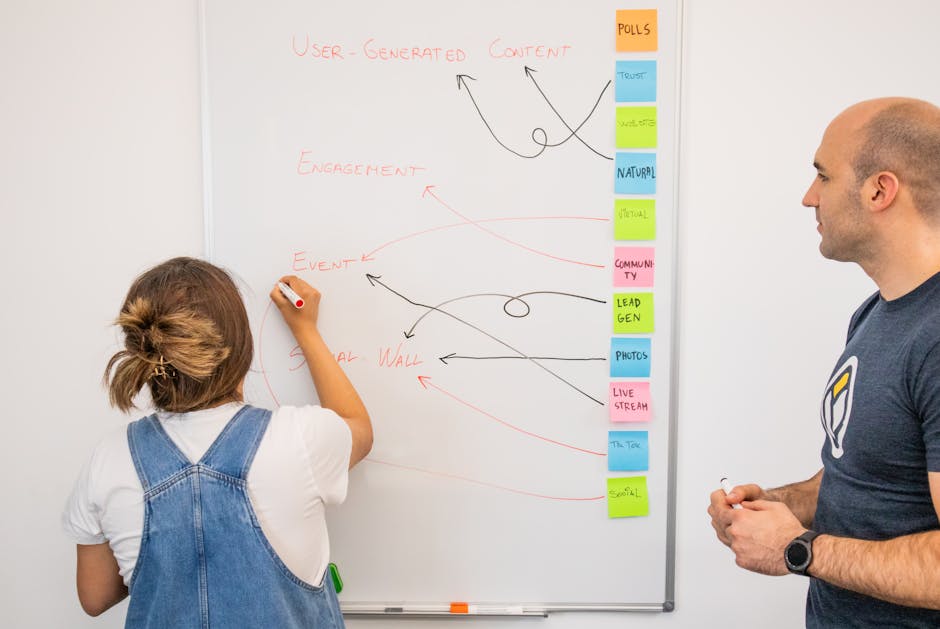
A mid-size SaaS team has a launch document that nobody wants to touch because it feels large, public, and easy to get wrong. The team does not need a motivation speech. It needs smaller entries: one person drafts only the outline, another fills examples, and a reviewer checks only one section at a time. Why does that matter?
A solo consultant keeps postponing a proposal because it feels like a verdict on their competence. The useful move is not “be confident.” It is to create a template, pre-write three standard paragraphs, and start with the part that is easiest to make decent. Once motion begins, fear usually drops a notch.
A 50-person agency has a pile of admin tasks that everyone treats as low value, so they slide until Friday afternoon. The fix is often boring but effective: batch similar tasks, set a fixed trigger time, and make the first step visible on the calendar rather than hidden in a task app.
Common mistakes to avoid

-
Treating procrastination like laziness. That label feels satisfying, but it usually makes things worse. Shame tends to create more avoidance, not less. The more useful question is what feeling is being dodged.
-
Setting goals that are too large to start. “Finish the project” is not a start point; it is a destination. If the first step is fuzzy, the brain will keep looking for something easier.
-
Waiting for motivation before beginning. Motivation often follows action, not the other way around. A small start can create enough momentum to make the work feel less hostile.
-
Using only self-control. Self-control is useful, but it is a limited resource in practice. Environment design - fewer tabs, fewer alerts, clearer work blocks - usually beats heroic restraint.
-
Planning for a perfect mood. Some days you will feel alert and ready. Many days you will not. A good system works on average days, not just on ideal ones.
-
Confusing anxiety with lack of time. Procrastination often wears the costume of busyness. If you keep reorganising instead of starting, the issue may be discomfort rather than workload.
A practical checklist
- Write the next physical action. Not the project, the action. Example: “open slide deck and write three bullet headings.”
- Set a 5-minute start rule. Tell yourself you only need to work for 5 minutes. Starting is the win; continuing is optional.
- Use an if-then plan. “If it is 9:00 and my coffee is made, then I open the document and start section one.”
- Remove one distraction before starting. Close extra tabs, silence notifications, put your phone out of reach, or use a blocker for the session.
- Make the task smaller than your fear. If the task feels heavy, slice it until it feels almost too easy. That is often the right size.
- Pair the task with a cue. Attach work to something already in your routine: after lunch, after the first meeting, after checking email for 10 minutes.
- Add a fast reward. Tea, a walk, a playlist, a checkbox, a short break - anything that gives the brain a quick “job done” signal.
- Review what you avoided. At the end of the day, note the moment you stalled and what triggered it. Patterns show up fast once you pay attention.
When NOT to do this
Science-based anti-procrastination tactics are not a cure-all. If the task is pointless, badly scoped, or assigned to the wrong person, better planning will not rescue it. Sometimes the right answer is to renegotiate the deadline, ask for more clarity, or drop a low-value commitment altogether.
There is also a limit to self-help framing. If procrastination is tied to depression, severe anxiety, burnout, or attention-related difficulties, the issue may need clinical support, not just a productivity tweak. In that case, “try harder” is poor advice. Worth thinking about, no? The better move is to get help and remove as much friction as possible while you do.
Where to learn more
- https://en.wikipedia.org/wiki/Procrastination
- https://www.apa.org/topics/procrastination
- https://www.frontiersin.org/journals/psychology
The real lesson is almost annoyingly simple: procrastination usually shrinks when the task gets clearer, smaller, and less threatening. If you change the emotional cost of starting, what could you finish this week?