Personal finance basics for beginners
Btw, The first sign that personal finance is not just about “being good with money” is how many people still get blindsided by ordinary expenses. A tyre blows. A subscription renews. A tax bill lands. The problem is rarely a single disaster; it’s usually a stack of small decisions made without much visibility. Make sense?
That’s why the basics matter more than hot takes. Not because they’re glamorous, but because they make the rest of money life less fragile. If your income arrives, your bills are predictable, and your savings grow by habit rather than hope, you’ve already done more than many people who earn more but feel permanently behind. Why does that matter?
Why it matters now

Two shifts make the basics worth revisiting. First, household budgets have been squeezed by a few years of higher living costs, so mistakes that used to be annoying now feel expensive. Second. Financial tools have become easier to use, which is great, but also dangerous: instant payments, one-click credit, buy now pay later, and app-based investing all make it easier to act before you’ve thought.
Recent consumer research keeps showing the same pattern: many adults can cover normal spending, but a smaller share are comfortable handling an unexpected bill without stress. The exact numbers vary by country and survey, but the direction is consistent. Plenty of people are working hard; fewer have a system.
The core idea

Fwiw, Personal finance basics are not a secret formula. They’re a set of habits that answer five questions clearly:
- How much money comes in?
- Where does it go each month?
- What do I owe, and on what terms?
- How much cash do I need available?
- What am I saving for next?
That’s the whole game at the starter level. Once you can answer those questions, the rest becomes more tactical. You can compare credit offers properly. You can decide whether a purchase is fine, delayed, or unnecessary. You can spot when “I can afford it” really means “I won’t be able to afford anything else after this.”
A good beginner system has three layers: budget, buffer, and borrowing discipline. The budget gives you a map. The buffer keeps a surprise from becoming a crisis. Borrowing discipline stops debt from quietly eating future income.
If money feels chaotic, don’t ask for a better personality. Ask for a better system.
Start with cash flow, not with investing. That might sound backwards to anyone eager to make money grow, but growth only helps if the foundation is stable. If you don’t know your monthly surplus or shortfall. Putting money into an investment account can feel virtuous while your credit card balance compounds in the background.
A simple beginner setup usually includes:
- one current account for income and bills
- one separate savings account for your emergency fund
- a short list of fixed costs and variable costs
- automatic transfers on payday
- a debt payoff order, if you owe money
- a monthly review date you actually keep
The order matters. Don’t try to optimise everything at once. First, make your money visible. Then make it predictable. Then make it grow.
What this looks like in practice

A solo freelancer billing irregularly often has the toughest version of this problem. Income arrives in bursts, then dries up. In that case. The priority is not a perfect budget spreadsheet; it’s a rule for paying yourself a regular amount from a business or income buffer so personal spending feels less random.
A mid-size salaried household usually has a different issue: money is coming in, but it disappears through friction. Delivery apps, small subscriptions, impulse purchases, and annual bills that are never planned for can make a decent income feel thin. Here, the win is usually a cleaner account structure and a calendar that flags non-monthly expenses early.
A young professional with student debt and a first stable salary often needs to resist the temptation to do everything at once. Pay attention to the interest rate first. Build a small emergency fund. Then increase pension or retirement contributions when the monthly rhythm stops feeling tight. Not all progress needs to happen in the same quarter.
Common mistakes to avoid

-
Treating a budget like a punishment. Many beginners hear “budget” and think of restriction. In practice, a budget is just a plan for your own money. If it feels too strict, it’s probably unrealistic rather than morally weak.
-
Confusing saving with having enough. Money in a savings account is useful, but it is not a free pass to overspend elsewhere. If you move cash around without naming its purpose, it tends to vanish on the next “small” expense.
-
Ignoring high-interest debt because the minimum payment is manageable. The minimum payment keeps you current, not healthy. Credit card debt, overdrafts, and other expensive borrowing can quietly dominate your future cash flow.
-
Skipping the emergency fund because investing sounds smarter. Investing is important, but so is not having to sell investments at a bad time just to replace a car battery or pay a medical bill. Beginners often need liquid cash more than they need more market exposure.
-
Using account balance as the only signal. A positive balance can hide trouble if next week’s bills are already spoken for. Always separate “money I can spend” from “money that is technically mine but already assigned.”
-
Trying to fix money by willpower alone. Willpower is unreliable at 9 p.m. after a long day. Automation, reminders, and separate accounts do more useful work than guilt ever will.
A practical checklist
-
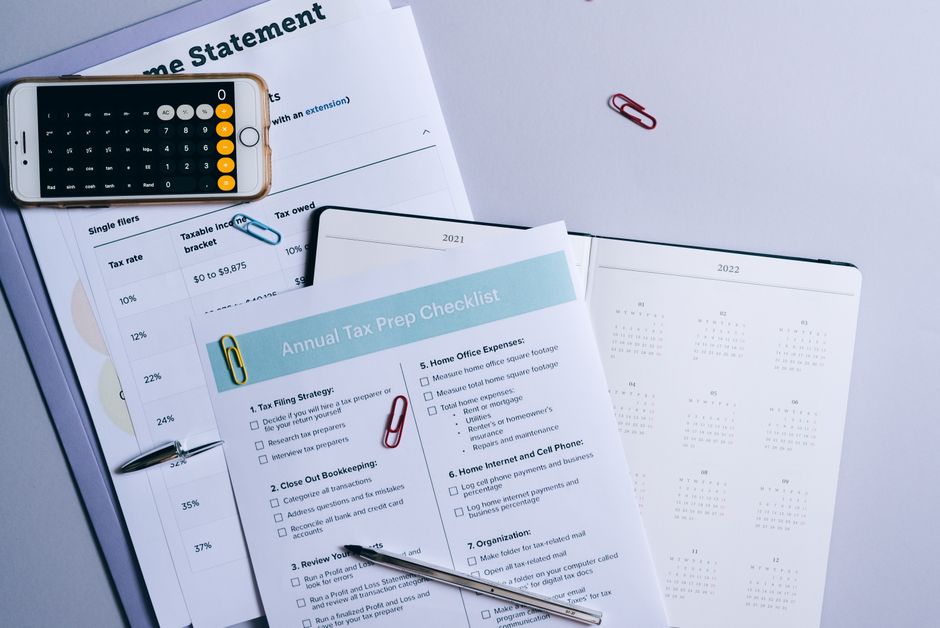
List your monthly take-home income. Use the amount that actually lands in your account after tax and other deductions. If income varies, write a conservative average rather than your best month.
-
Write down every fixed bill. Include rent or mortgage, utilities, transport, debt payments, phone, insurance, and any subscriptions you keep forgetting about. If a bill is annual, divide it into a monthly amount.
-
Estimate variable spending. Food, commuting, coffee, gifts, clothes, and weekends out all belong here. Don’t guess too optimistically; use last month’s bank statements if you have them.
-
Set one savings target for the next 90 days. Make it small enough to be believable. A starter emergency fund, a debt lump sum, or a planned purchase is better than a vague wish to “save more.”
-
Automate transfers on payday. Move money to savings before it disappears. If needed, start with a tiny amount and increase it later. A modest automatic transfer beats a grand plan that never happens.
-
Create a debt list with interest rates. Write down balances, minimum payments, and APRs. If one debt is much more expensive than the others, prioritise it, unless you need a quick emotional win to stay on track.
-
Review accounts once a week for 15 minutes. Check balances, upcoming bills, and any unusual spending. This is enough to catch problems early without turning your life into a finance hobby.
-
Name the next improvement, not the perfect system. Maybe your next step is a separate emergency fund. Maybe it is switching to a cheaper plan. Maybe it is asking a bank to lower a fee. Keep the focus narrow.
When NOT to do this
The beginner playbook is not always the right move. If you have a serious debt crisis, unstable housing, or erratic income after a layoff, the priority is survival and cash preservation, not neat optimisation. You with me? That means pausing extra investing, negotiating obligations, and focusing on immediate liquidity.
It’s also not smart to turn every financial decision into a spreadsheet exercise. Some choices are emotional, relational, or tied to health and time. A cheap option that makes life unworkable is not actually cheap. Personal finance basics should reduce stress, not create a second job.
Where to learn more
- Consumer Financial Protection Bureau budgeting basics: https://www.consumerfinance.gov/consumer-tools/budgeting/
- SEC investor education and planning resources: https://www.investor.gov/
- MoneyHelper guidance on budgeting and debt: https://www.moneyhelper.org.uk/
The best part of personal finance basics is that they compound quietly. Once you can see your money clearly, decisions get easier, debt gets less scary, and saving stops feeling like a personality test. Start small. Keep it boring, and make the system do the heavy lifting - what would change first if your money finally had a simple plan?