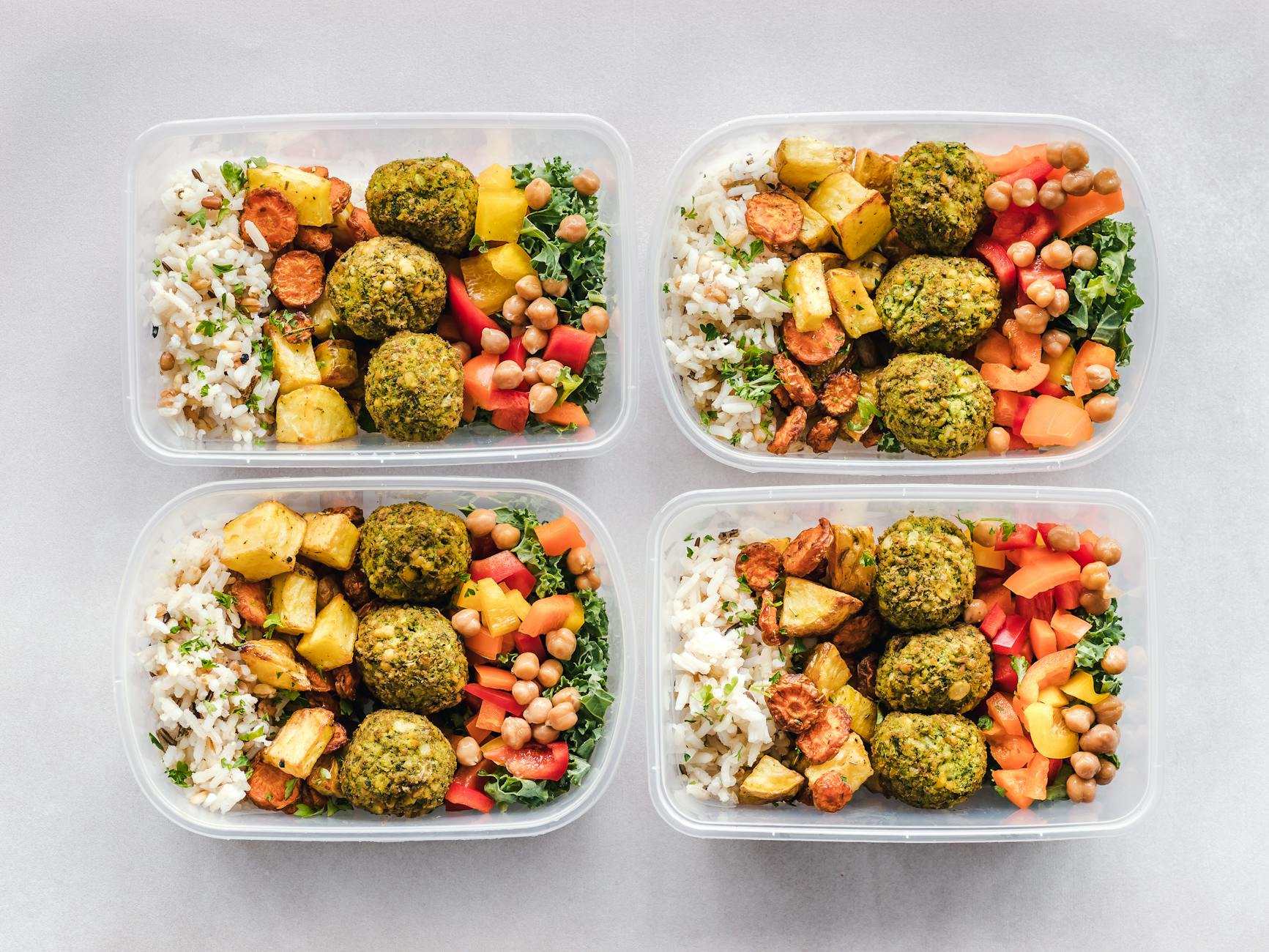
كثير من الناس المشغولين لا يتخطّون الطهي الصحي لأنهم لا يهتمون. إنهم يتخطّونه لأن نافذة المساء قصيرة جدًا، واتخاذ القرار مرهق، والمطبخ أصبح مجرد مكان آخر يطلب من اليوم مجهودًا إضافيًا. هل تتابع معي؟ هذه هي المشكلة الحقيقية: ليس الطهي نفسه، بل كل الخيارات الصغيرة المحيطة به.
هناك أيضًا سبب عملي يجعل هذا مهمًا. وزارة الزراعة الأمريكية ومراكز مكافحة الأمراض والوقاية منها يكرران، من زوايا مختلفة، الفكرة نفسها تقريبًا: الأنظمة الغذائية المبنية على مزيد من الأطعمة قليلة المعالجة، والخضروات، والبقول، والحبوب الكاملة، والوجبات المحضّرة في المنزل، أسهل في توجيهها نحو تغذية أفضل من نمط أسبوعي قائم على خيارات السهولة الجاهزة. المشكلة ليست في المعرفة. إنها في التنفيذ. ويصبح التنفيذ أصعب عندما يجب أن يحدث العشاء بين العمل، والرسائل، وكل ما تفرضه الحياة في ذلك الأسبوع.
لماذا يهم هذا الآن
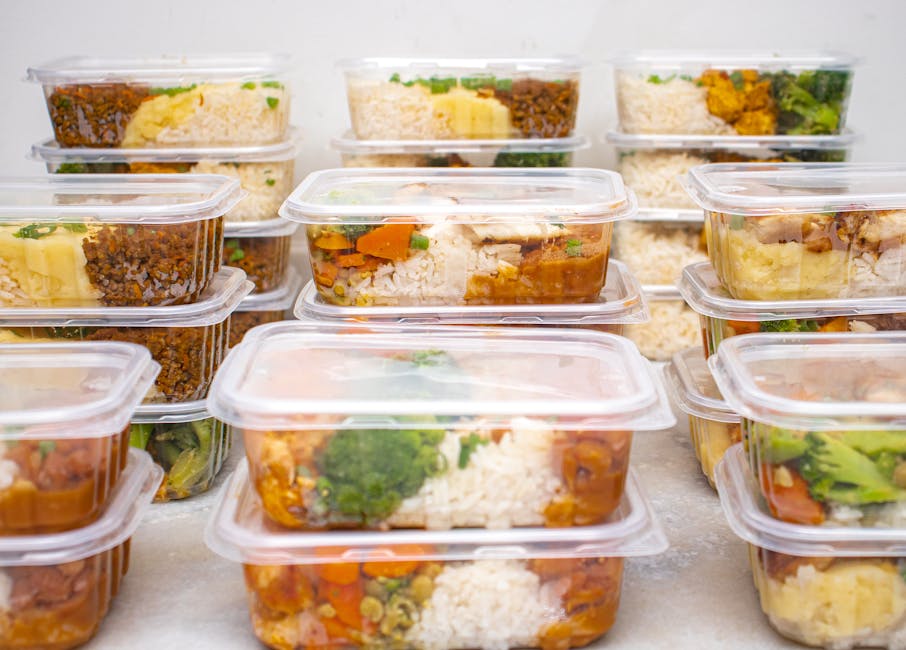
هناك بضعة تغيّرات جعلت هذا الأمر أكثر صلة، لا أقل. بقيت أسعار البقالة قضية حاضرة في كثير من البلدان، لذا فإن هدر المكوّنات يؤلم أكثر مما كان عليه سابقًا. وفي الوقت نفسه، ما يزال كثير من المهنيين يعملون لساعات طويلة أو غير منتظمة، ويترك يوم العمل العادي هامشًا ضئيلًا جدًا لطهي من نوع “سأفكر في الأمر لاحقًا”. عندما يكون الهامش ضيقًا، يتفوّق النظام على قوة الإرادة.
كما أصبحت الإرشادات الصحية العامة أكثر مباشرة. توجّه كلٌّ من الإرشادات الغذائية للأمريكيين 2020-2025 الصادرة عن وزارة الزراعة الأمريكية وموارد التغذية التابعة لمراكز مكافحة الأمراض والوقاية منها نحو النمط الأساسي نفسه: اطبخ أكثر في المنزل عندما تستطيع، واجعل الخضروات والبروتين أسهل وصولًا، وقلّل من حصة الوجبات القادمة من الخيارات عالية المعالجة وعالية الصوديوم. هذه ليست محاضرة أخلاقية. إنها دعوة لتصميم وجبات سريعة بما يكفي لتستمر.
الفكرة الأساسية
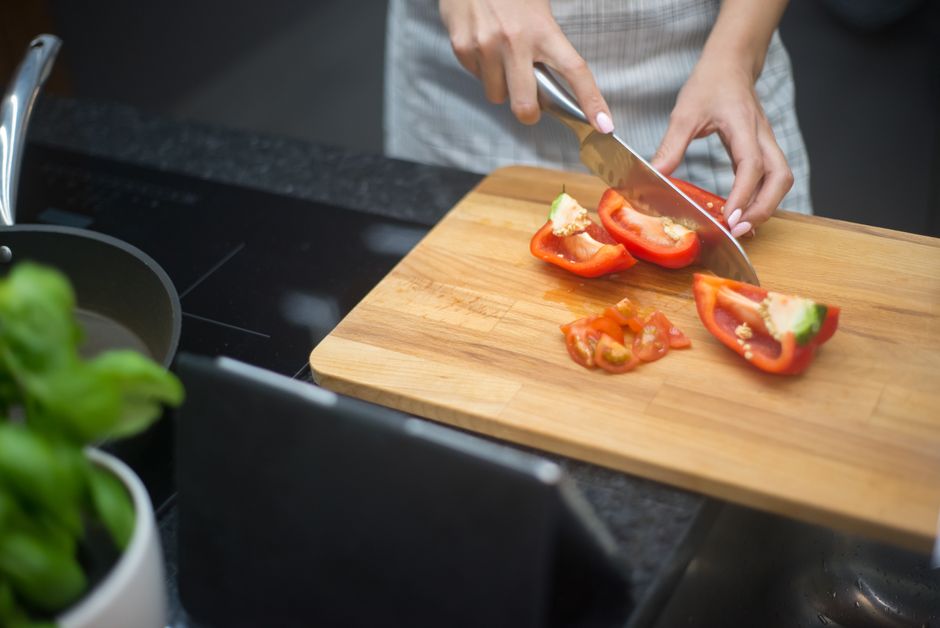
بصراحة، الهدف ليس أن تصبح مهووسًا بإعداد الوجبات مسبقًا. الهدف هو بناء مجموعة صغيرة من الوجبات والعادات المطبخية القابلة للتكرار والتي تقلل القرارات. ينجح الطهي الصحي والفعّال أفضل ما يكون عندما تتعامل معه كقائمة قصيرة من الأنظمة: هيكل تسوّق، وبعض مصادر البروتين الافتراضية، وعدة قواعد للكربوهيدرات، وصلصات أو عناصر نكهة تمنع العشاء من أن يصبح مكررًا. يستحق الأمر التفكير، أليس كذلك؟
فكّر بالمكوّنات، لا بالوصفات. صينية واحدة من الخضروات المشوية يمكن أن تدعم ثلاث وجبات عشاء مختلفة. قدر واحد من الأرز أو الكينوا أو البطاطس يمكن أن يشكل أساس عدة أطباق. ومصدر بروتين واحد مطبوخ بطريقة بسيطة يمكن أن يظهر مع صلصات أو إضافات أو أطباق جانبية مختلفة خلال الأسبوع. هكذا تحصل على التنوع من دون أن تبدأ من الصفر كل ليلة.
قاعدة مفيدة: اختر وجبات تشترك غالبًا في الطريقة نفسها لكنها تختلف في النكهة. على سبيل المثال، يمكن لوجبة صينية الفرن، أو القلي السريع، أو طبق الحبوب، أو الشوربة أن تستخدم البصل المفروم، والثوم، والجزر، والخضروات الورقية، والبروتين نفسه. تتغير الطريقة. أما قائمة التسوق فتكاد لا تتغير.
عادةً ما يشتمل نظام الطهي الصحي العملي على هذه الأجزاء:
- قائمة قصيرة من الوجبات الافتراضية التي يمكنك إعدادها وأنت شبه نائم.
- مصدرين أو ثلاثة مصادر احتياطية للبروتين مثل البيض، والزبادي اليوناني، والفاصوليا المعلبة، وقطع الدجاج، والتوفو، والتونة، أو العدس.
- قاعدة أو قاعدتان من النشويات يمكن تحضيرهما بكميات مثل الأرز، والشوفان، والبطاطس، والمعكرونة، أو لفائف الحبوب الكاملة.
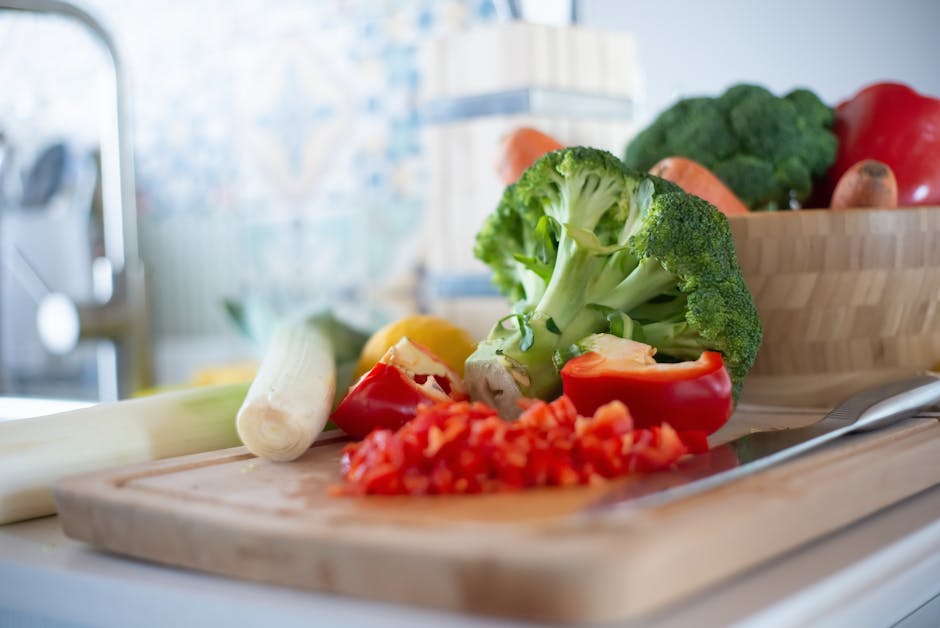
- خضروات مجمّدة لتلك الليالي التي تليّن فيها الخضار الطازجة أو يختفي فيها الوقت.
- رف صغير للصلصات: زيت الزيتون، الخل، الخردل، صلصة الصويا، الطحينة، البيستو، السالسا، معجون الكاري، أو تتبيلات قائمة على الزبادي.
- عادة تحضير لا تصل إلى حد الإرهاق: اغسل الخضار الورقية، افرم بصلة واحدة، اطبخ نوعًا واحدًا من الحبوب، لا إعدادًا كاملاً على طريقة المطاعم.
بصراحة، أفضل نسخة من هذا مملة بطريقة جيدة. لا ينبغي للعشاء أن يتطلب طاقة إبداعية كل مساء. احتفظ بالجِدّة لعطلات نهاية الأسبوع أو أيام الراحة. أمسيات أيام الأسبوع تحتاج إلى قابلية للتكرار، وقابلية التكرار هي ما يجعل الطعام الصحي واقعيًا بدلًا من أن يكون مجرد طموح.
ابنِ وجبات تتطلب تفكيرًا أقل من طلب الطعام الجاهز.
هناك أيضًا مبدأ لتوفير الوقت يغفل عنه كثير من الناس: الطهي نفسه غالبًا ليس هو الاختناق. الاختناق هو تبديل السياقات. إذا كان عليك البحث عن الوصفات، وتفقد الثلاجة، وإعداد قائمة تسوق، ثم البدء من الصفر، فإنك تخسر المساء قبل أن تشغّل الموقد أصلًا. التخطيط لعدد قليل فقط من الوجبات يزيل هذا العبء.
كيف يبدو ذلك عمليًا
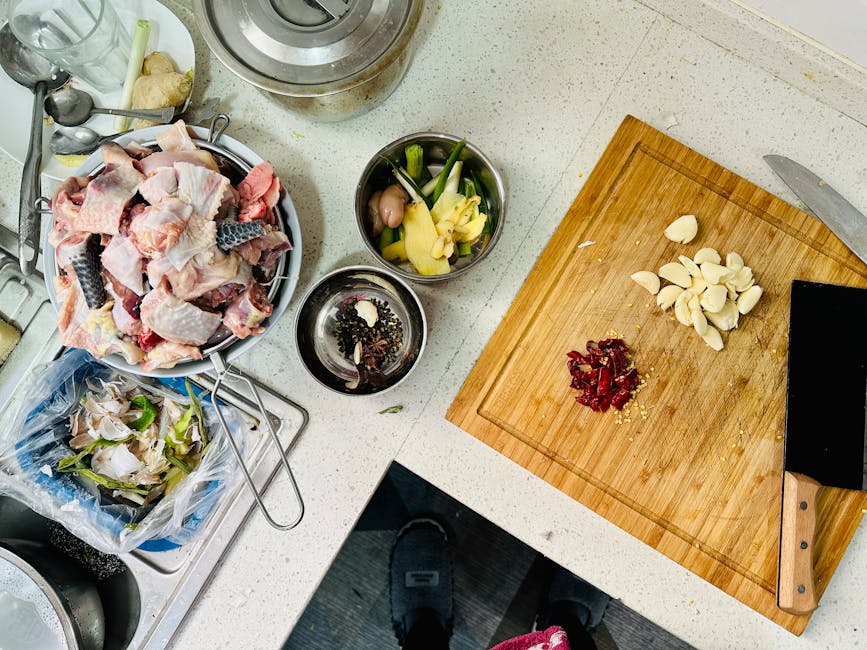
قد يطبخ عضو في فريق SaaS متوسط الحجم وله جدول مكتبي عادي نسبيًا ثلاث وجبات عشاء من المكوّنات الأساسية نفسها: دجاج مشوي أو توفو، وصينية خضروات، وأرز أو كسكسي. يصبح يوم الاثنين طبقًا مع الزبادي والأعشاب، ويصير الأربعاء لفائف، ويصير الجمعة شوربة سريعة مع المرق والبقايا. يبدو الطعام مختلفًا بما يكفي. أتعرف هذا النمط؟ يبقى الجهد منخفضًا.
أما العامل المستقل الذي يعمل حتى وقت متأخر فعادةً ما يكون أفضل حالًا مع وجبات شبه جاهزة لا تحتاج إلا إلى تجميع بسيط جدًا. قد يكون الإفطار شوفانًا مع البذور والفواكه. وقد يكون الغداء بقايا أو سلطة فاصوليا. وقد يكون العشاء بيضًا، وخضروات مجمّدة، وخبزًا محمصًا، أو سمكًا معلبًا مع بطاطس وسلطة سريعة. هذا ليس أمرًا مبهرًا. لكنه واقٍ، لأن جدول العامل المستقل يميل إلى معاقبة جلسات الطهي الطويلة أكثر من معظم الناس.
أما وكالة تضم 50 شخصًا ولديها ثقافة ما بعد العمل المزدحمة، فيمكنها تسهيل الطهي الصحي عبر توحيد بعض العادات المشتركة: قالب أسبوعي لقائمة البقالة، وبضعة أساسيات للطبخ على دفعات، واتفاق على أن “السريع والجيد” هو الهدف في أيام الأسبوع. عندما يتخذ كل فرد في المنزل أو شقة المكتب قرارات منفصلة، يرتفع هدر الطعام وإنفاق الوجبات الجاهزة بسرعة عادةً.
الأخطاء الشائعة التي يجب تجنبها
-
التخطيط لوجبات طموحة جدًا بالنسبة لأيام الأسبوع. غالبًا ما يختار الناس وصفات يسعدهم طبخها في صباح أحد هادئ، ثم يتوقعون أن تنجح بعد يوم شاق. هذا التفاوت هو ما يقتل الاستمرارية. إذا كانت الوجبة تتطلب أكثر من مرحلة نشطة واحدة، فهي على الأرجح وجبة لنهاية الأسبوع.
-
شراء الكثير من “المكوّنات الصحية” من دون دور واضح. الثلاجة الممتلئة بالنوايا الحسنة تبقى هدرًا إذا لم تستطع إعداد العشاء بسرعة. يجب أن يدعم كل مكوّن عدة وجبات أو أن تكون له مهمة محددة في الأسبوع القادم.
-
التعامل مع التحضير المسبق كأنه مشروع كل شيء أو لا شيء. قد يكون الطبخ على دفعات ليوم كامل مفيدًا، لكنه يجعل بعض الناس يتوقفون بعد محاولة مرهقة واحدة. عادةً ما تدوم الانتصارات الصغيرة في التحضير مدة أطول: اطبخ نوعًا واحدًا من الحبوب، واغسل الخضار الورقية، واسلق البيض، أو اشوِ صينيتين بدلًا من ست.
-
تجاهل الصلصات والتتبيل. يفشل كثير من “الطهي الصحي” لأن طعمه باهت، لا لأنه ضعيف غذائيًا. الملح، والحموضة، والأعشاب، والتوابل، والصلصة الجيدة يمكن أن تحوّل المكوّنات البسيطة إلى طعام تريد تناوله مرة أخرى فعلًا.
-
استخدام الطعام الجاهز للسهولة فقط كخطة احتياطية. الخضروات المجمّدة، والفاصوليا المعلبة، والأسماك المعلبة، والحبوب المطهوة مسبقًا، والسلطة المعبأة ليست غشًا. إنها أدوات. إذا كان نظامك يرفض كل وسائل السهولة، فغالبًا نظامك هش أكثر من اللازم للحياة الحقيقية.
-
نسيان أن الإفطار والغداء يشكلان العشاء. إذا أكلت أقل من اللازم في وقت مبكر من اليوم، يصبح الجوع المسائي أعلى وأسرع. وهذا غالبًا ما يؤدي إلى طلب الطعام الجاهز أو إلى التناول العشوائي للوجبات الخفيفة. الوجبات المتوازنة في النهار تجعل روتين الليل أسهل.
قائمة عملية للتأكد
-
اختر خمس وجبات افتراضية. اختر وجبات يمكنك إعدادها بسرعة من دون البحث عن التعليمات. اجعلها بسيطة وأعدها بما يكفي حتى تصبح الخطوات تلقائية.
-
أنشئ قالبًا أسبوعيًا واحدًا للتسوق. قسّمه إلى البروتين، والخضروات، والنشويات، وعناصر النكهة. أعد استخدام القالب نفسه في معظم الأسابيع، ثم بدّل مكوّنًا أو اثنين للتنوع.
-
اطبخ مكوّنًا أساسيًا واحدًا عن قصد. أعد قدرًا من الأرز، أو صينية خضروات، أو دفعة من العدس، أو بعض البيض المسلوق. يمكن لقاعدة مفيدة واحدة أن توفر عدة قرارات متعجلة لاحقًا.
-
احتفظ بثلاث وجبات طارئة في المنزل. أمثلة: بيض مع خبز محمص، أو فاصوليا معلبة مع خضار ورقية، أو زبادي مع الفاكهة والشوفان. هذه لأيام يفشل فيها العشاء المخطط له، لا كخطة احتياطية لا تستخدمها أبدًا.
-
حضّر صلصة أو تتبيلة واحدة كل أسبوع. حتى مزيج سريع من الزبادي والأعشاب أو تتبيلة الطحينة والليمون يمكن أن يغيّر مزاج البقايا. العمل الصغير على النكهة يمنع الملل، وهو تهديد أكبر مما يعترف به معظم الناس.
-
استخدم المنتجات المجمدة من دون اعتذار. السبانخ المجمدة، والبازلاء، والبروكلي، والتوت، أو الخضروات المشكلة تقلل الهدر وتقصّر وقت التحضير. من الناحية الغذائية، غالبًا ما تكون خيارًا معقولًا، خاصة في منتصف الأسبوع.
-
اترك ليلة واحدة مرنة عمدًا. لا تَخْطُط لكل عشاء كأنه عملية عسكرية. الليلة الحرة تستوعب البقايا، والاجتماعات، والعمل المتأخر، أو مجرد التعب.
-
راجع ما تم تناوله فعلًا. في نهاية الأسبوع، انظر إلى ما فسد، وما تكرر بشكل جيد، وما لم يلمسه أحد. ثم عدّل التسوّق التالي. هنا يتحسن النظام.
متى لا ينبغي فعل ذلك
ليس النظام الصارم للطهي الصحي هو الجواب الصحيح دائمًا. إذا كان جدولك يتغير باستمرار، فقد تكون أفضل حالًا مع قائمة صغيرة جدًا من الوجبات الطارئة والاعتماد الأكبر على الخيارات الجاهزة الجيدة من المتجر. هذا ليس فشلًا. إنه تكيّف.
الأمر نفسه ينطبق على من يتعافون من الاحتراق النفسي، أو المرض، أو فترة رعاية مكثفة للآخرين. في مثل هذه الحالات، قد يكون الهدف هو الأكل بشكل جيد بما يكفي، لا تحسين المطبخ. قد يصبح برنامج إعداد الوجبات الصارم مصدرًا آخر للشعور بالذنب. أحيانًا تكون الخطوة الذكية هي خفض الطموح حتى يصبح الطهي عاديًا مرة أخرى.
أين تتعلم المزيد
- https://www.dietaryguidelines.gov/ - الإرشادات الغذائية الأمريكية للأمريكيين
- https://www.cdc.gov/nutrition/ - موارد التغذية التابعة لمراكز مكافحة الأمراض والوقاية منها
- https://www.myplate.gov/ - دليل MyPlate العملي لبناء الوجبات الصادر عن وزارة الزراعة الأمريكية
الطهي الصحي وفق جدول مزدحم يتعلق أقل بالانضباط وأكثر بإزالة القرارات التي يمكن تجنبها. بمجرد أن تتوقف عن مطالبة العشاء بأن يكون إبداعيًا كل ليلة، يصبح الأمر كله أهدأ، وأقل تكلفة، وأسهل بكثير في التكرار. كيف سيبدو أسبوعك لو كان العشاء فقط بحاجة إلى أن يكون جيدًا بما يكفي، وسريعًا بما يكفي، ومبنيًا على نظام يمكنك فعلاً الاستمرار في استخدامه؟